

Course Content

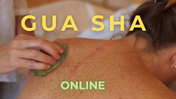



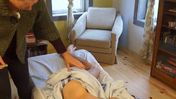
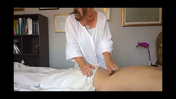
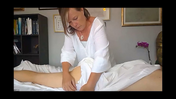
Introduction to Gua Sha Methods
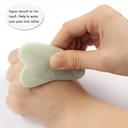
Gua Sha is a traditional East Asian Medicine technique that applies instrument-assisted
unidirectional ‘press-stroking’ of a lubricated area of body surface to intentionally create transitory
therapeutic petechiae representing extravasation of blood in the subcutis’
(Nielson, 2013)
Coining or scraping has been used for centuries in Asia by Acupuncturists, and as a home remedy.
Gua
Gua literally means to scrape or scratch, but is more accurately described as unidirectional movement. Gua sha and Cupping have similar therapeutic intentions but different mechanisms.
Sha
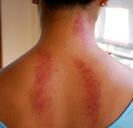
Sha is a term that describes the presence of surface blood stasis associated with pain or sickness and the petechiae that are raised from applying Gua Sha. Sha may be symptomatic (sha syndrome), asymptomatic, or mildly symptomatic and potentially pathogenic. The literal translation of sha is ‘sand’, ‘sharkskin’ or ‘red, raised, millet-size rash’ (Nielson 2013)
In ancient medical texts, sha refers to cholera, as sha resembles the end stage rash of the disease. This links Gua sha to its historical connection with treating fever and cholera. The raised bumps found with the sha reaction are usually red but can be blue, purple or black.
The colour indicated in the sha reaction indicates the condition in the body
Bright red indicates heat, Wind Heat or recent penetration
Pale red indicates Blood Deficiency
Dark red indicates intense heat and stasis
Purple or black indicates Blood Stasis (black is very old stasis)
Blue indicates Cold Stagnation or heart problems
Brown indicates Yin deficiency and is sometimes seen in diabetes
Yellow pigmentation is normal to sha fading and indicates bilirubin and biliverdin
0 comments
Leave a comment