

Course Content





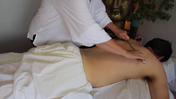

The Gua Sha Treatment - Before you start
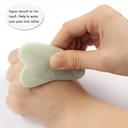
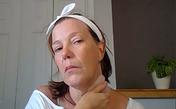
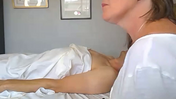
How to apply Gua sha
○ Gua sha is applied in repeated, closely timed unidirectional strokes over a lubricated area of the body.
○ After palpation, identify an area to be treated and apply lubricant
○ Place the smooth edged instrument just above the area to be treated. This instrument should be at a low angle to the skin.
○ Move down the area with moderate pressure, pressing the smooth edge into the flesh.
■ If the stroke is toward the provider, the extended thumb makes contact with the flesh, and the fingers apply pressure to the front of the instrument. If the stroke is away from the provider, the bent fingers make contact with the flesh in front of the instrument. This method diffuses the sensation of the Gua sha instrument.
○ Apply 6-15 strokes to raise sha. It can take as little as 4 strokes, or more than 15 depending on the depth of sha and the pressure used. Lighter pressure may require more strokes.
● This technique should not cause pain to the client, though it may be slightly uncomfortable when the sha is near complete expression.
○ A stroke should only be 4-6 inches (10-15cm) long
○ Strokes are repeated at a stroke line raising the sha before moving to an adjacent line.
○ The direction of the strokes should always start above, or distal to the area of treatment
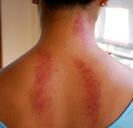
Gua sha intentionally creates transitory therapeutic petechiae and ecchymosis. All of the petechiae will gradually blend into areas of ecchymosis.
There is little or no discomfort in this technique if applied correctly. One mistake that students and beginners of gua sha often make is that they
typically do not apply enough pressure or repeat strokes frequently enough to fully raise the sha.
Even after petechiae begins to appear, one must continue in the stroke line until all of the sha is up.
You will know all of the sha is up when continued strokes no longer increase the number of petechiae or change the colour of them.
Then there are the students who over-stroke, applying too much pressure or too many strokes, resulting in excess ecchymosis. It takes practice to find the middle place where the treatment is effective and pain free.
The Gua sha lines should not match meridian lines, nor should they produce stripes. This is a sign of incomplete or improper technique. The finished picture should be that of an area that appears to be completely painted.
The effect of Gua sha does not signify bruising. Bruising represents damage to an area of tissue due to a blow of external force. In this case, the blood escapes the vessels and creates a random pattern which takes several days to heal and changes colour from red to purple, blue, brown, green and yellow over the days that it takes to heal.
Transitory therapeutic petechiae simply fades in one to three days, if correctly applied. This is a representation of the function within the superficial circulatory bed, and the removal of extravasted blood and the resulting inflammatory and immune stimulation. (Nielson 2013)
Gua Sha Techniques
Sequence of Gua Sha strokes
As with most modalities, there is a recommended sequence and direction that we perform Gua Sha
It is recommended to start distal to the area of pain, and work toward the focal area
Start close to the spine, and work toward the extremities being the final areas of treatment
Begin at the top of the body, and work downwards
Gua sha should be applied along the course of the muscles.
When to stop applying Gua Sha
When applying gua sha, it is sometimes difficult to know when you are finished. Sometimes you will not get any marks, and wonder how long you should continue. The quick answer is that once the inflammatory response is triggered, you will get surface redness. If this occurs but there are still no marks, that is ok. You can stop once you see a uniform color in this surface redness. This indicates that the circulation has been smoothed out.
When you are getting surface petechia showing, continue applying gua sha until the entire area has reddened or until the patient complains of discomfort.
The entire area may not redden with petechia, in this case you stop once there are no new changes.
0 comments
Leave a comment