

Course Content




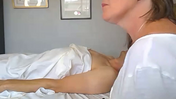
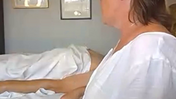
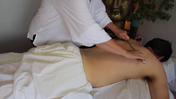
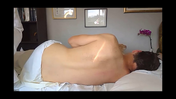
General information about Gua Sha Body Areas
Body Areas to Treat
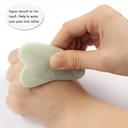
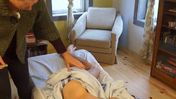
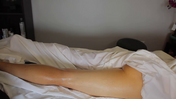
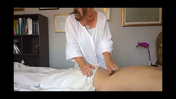
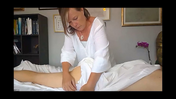
The rule of thumb for Gua sha is that the area to be treated should be accessible but relaxed.
Always try to make the patient comfortable, and in a position that makes the treatment easy for the practitioner.
Upper Back, Neck, Shoulders and Head
1. Sitting on a stool, with the head resting on the treatment table is a good position to have the neck and shoulders in a relaxed position. If a massage chair is available, this is also a good option.
2. Treat the spine. Flatten the instrument and stroke lightly. Complete this line before moving right or left, and treat one side completely before switching to the other side. Strokes should be 4-6 inches in length
3. For shoulder, upper back or trapezius problems be sure to gua sha medial to the scapula. BL 43 is known as the shoulder Yu point, and should not be missed.
4. Work along the top of the scapula, toward the shoulder, allowing the strokes to follow the curves of the body.
5. Stay on the same area until it is complete, or if you return to the area it will sting the client.
6. If shoulder pain exists in only a certain position, then place the body in the same position to perform Gua sha.
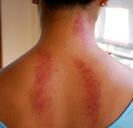
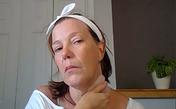
7. Remember that the neck can be a more painful area, and that sha marks may be visible. Make sure to get consent from client before performing gua sha on the neck.
Common Conditions to Treat Upper Back, Neck, Shoulders
Influenza: Wind-Cold, Damp
Acute head cold, sinusitis, rhinitis, bronchitis
Headache, toothache, trigeminal neuralgia, Bell’s Palsy
Eye problems, ear problems, TMJ
Upper back pain and extremity problems (add extremities)
Shoulder dysfunction, tennis elbow, carpal tunnel syndrome, frostbite (add extremity)
Common Conditions to Treat Upper Back, Neck, Shoulders and Chest
Asthma, emphysema, cough, deficient Yin, neck pain, thyroid
Middle Body
1. To treat the mid-back, it is usually easiest to position the patient in prone position.
2. Palpate tender points, and Gua sha using the principles of midline out, and distal toward thearea. When working on the ribs, follow the angled contour of the ribs.
Common Conditions to Treat Middle Body
Epigastric pain, abdominal pain, flank pain, hepatitis, jaundice, stomach ulcer, nausea, bloating, gas, distention
Rib pain, intercostal neuraglia, rib fractures, dislocation, back pain
Herpes zoster (shingles) - after lesions have healed
Lower Back and Hips
The lower back and hips can be treated in many positions, making sure that the muscles are as relaxed as possible. The muscles of the lower back and hips can be well exposed by putting the client in a leaning or forward kneeling position as in childs pose in yoga. Many conditions of the lower back can be effectively treated with Gua sha. Side lying position is a good position to address hip issues, and to treat the IT bands, glutes, and sciatica.
Common Conditions to Treat Lower Back and Hips
Acute and chronic low back pain, lumbar disc herniation, kidney problems, urinary bladder issues, pelvic floor pain, genital pain, impotence, vaginitis, excessive or deficient vaginal lubrication, colon, rectal prolapse, hemorrhoids, uterus, ovaries, irregular menses, uterine fibroids, inducing or treating labour
Common Conditions to Treat Lower Back and Hips and Extremities
Sciatica, hip pain, hamstring, quadriceps strain, knee injury, ankle strain, foot/toe injury, heel
pain. Plantar fasciatis, difficulty walking
Other areas:
Chest and Sternum
To treat problems in the sternum and ventral ribs, the sternum should be stroked from the top down to the xyphoid process. Proceed very gently. You can perform Gua sha above and below breast tissue, be careful of tenderness and exposure. Gua sha can be applied to the breast for mastitis or breast distention but the technique is best done by an experienced practitioner.
The Extremities
As previously mentioned treat the torso first, usually the back. Then move on to the extremity.
Have the limb relaxed in sitting, or reclining position position. Always work along the muscle, and in this case the treatment can go North or South but the recommendation is always towards the heart.
Fatty Areas
Fatty areas on the Gluteal region, upper thighs and abdomen will always feel more sensitive and should be treated lightly. This is because they retain more water, and contain more cellulite. One would not expect the sha to appear as prevalently as in other areas.
0 comments
Leave a comment