

Course Content
-
0 / 6
Week 1
-
0 / 8
Week 2
-
0 / 6
Week 3
-
0 / 6
Week 4
-
0 / 6
Week 5
-
0 / 4
Week 6
-
0 / 4
Self Cultivation Exercises
-
0 / 17
The 5 Elements and Meridians
-
The 5 Element Controlling and Generating Cycle
-
The 5 Elements Chart of Traits
-
Clinical Manifestations
-
Lung Meridian
-
Large Intestine Meridian
-
Stomach Meridian

-
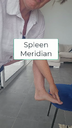
Spleen Meridian
-
Heart Meridian

-
Small Intestine Meridian

-
Bladder Meridian
-
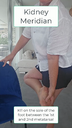
Kidney Meridian
-
Pericardium Meridian
-
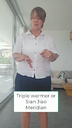
Triple Warmer Meridian | San Jiao
-
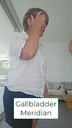
Gallbladder Meridian
-
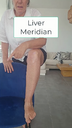
Liver Meridian
-
Meridian Palpation and Stretches
-
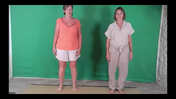
The Meridian Stretches Full Sequence
-
-
0 / 10
The Du Mai | Governing Vessel | Ren Mai | Conception Vessel
-
DU MAI Meridian Pathway

-
The Du Mai: The Master Channel, the Central Axis
-
Features of the Du Mai

-
Mobilizing the channel as opposed to applying acupuncture

-
The Du Mai: Establishing the Energetic Continuum
-
The Du Mai: Guiding Intuition and Manifestation from the Center
-
The Du Mai and Ren Mai relationship
-
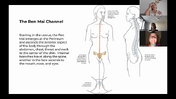
The Ren Mai Channel
-
The Relationship between Du Mai, Ren Mai and the 12 Meridians
-
Du Mai | Ren Mai Meridian Stretch and Qi Gong
-
-
0 / 1
Resources







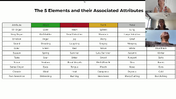


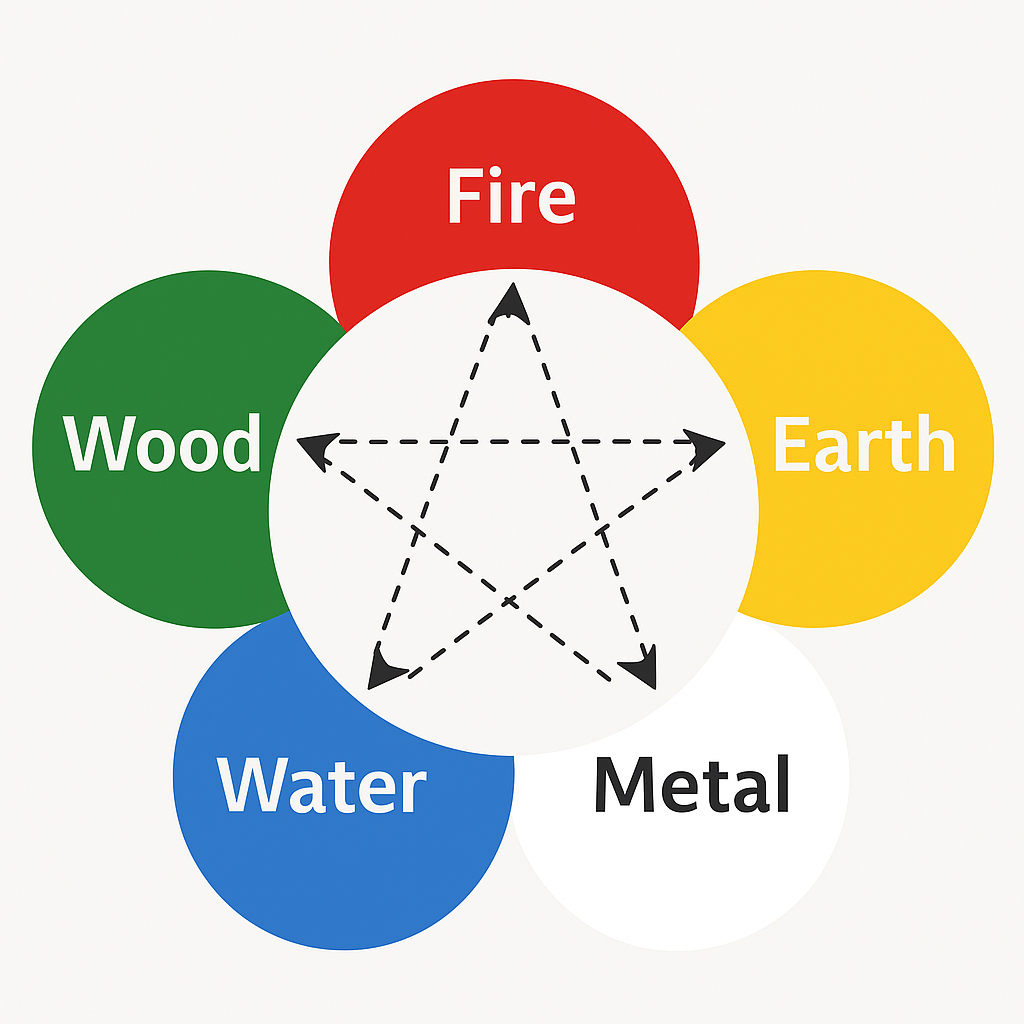
The 5 Element Controlling and Generating Cycle
This image introduces the relationships between the 5 Elements, the order of the Elements is described as the Generating Cycle, and the arrows on the inside is described as the Controlling Cycle
In Five Element Theory, the Generating Cycle (also called the Creation or Sheng Cycle) describes how each element supports and nourishes the next. It represents a natural flow of energy and transformation, much like the cycles in nature.
Here’s how the cycle moves, in a clockwise direction:
-
Wood generates Fire
Wood feeds fire—like how logs fuel a flame.
Emotionally: Creativity and vision (Wood) ignite joy and inspiration (Fire). -
Fire generates Earth
Fire burns and leaves ash, creating Earth.
Energetically: The warmth of Fire transforms into nourishment and stability (Earth). -
Earth generates Metal
Within Earth, minerals and metals are formed.
In the body: Digestion and grounding (Earth) provide the resources for structure and clarity (Metal). -
Metal generates Water
Metal condenses and channels water—think of dew forming on cool metal or water running through minerals.
Energetically: Reflection and letting go (Metal) lead to inner depth and flow (Water). -
Water generates Wood
Water nourishes plants and trees, allowing Wood to grow.
Emotionally: Rest and reflection (Water) fuel renewal, vision, and direction (Wood).
This cycle is foundational in Traditional Chinese Medicine, Qi Gong, and Eastern philosophy. It explains how organs, emotions, and natural processes support one another—creating harmony when balanced, or dysfunction when disrupted.
The Controlling Cycle (also called the Ke Cycle) in Five Element Theory describes how each element keeps another in check—preventing excess and maintaining balance. It’s like nature’s feedback loop, where each force not only supports (as in the Generating Cycle) but also regulates another to avoid dominance.
Here’s how the Controlling Cycle flows, in the shape of a star within the circle:
-
Wood controls Earth
Roots of trees (Wood) penetrate and stabilize the soil (Earth).
→ Emotionally: Assertiveness and boundaries (Wood) can contain overthinking or worry (Earth). -
Earth controls Water
Earth, like a dam or riverbank, contains and directs Water.
→ Grounding (Earth) supports emotional regulation and contains fear or overwhelm (Water). -
Water controls Fire
Water extinguishes Fire.
→ Rest and introspection (Water) help cool down excess excitement or agitation (Fire). -
Fire controls Metal
Fire melts Metal.
→ Warmth and connection (Fire) soften rigidity or grief (Metal). -
Metal controls Wood
Metal, like an axe, cuts down Wood.
→ Structure and precision (Metal) can restrain overexpansion or aggression (Wood).
This cycle ensures that no one element overpowers the system. If the controlling relationship is too weak or too strong, pathology can arise—such as a "rebellious" element overcontrolling another.
0 comments
Leave a comment